The ABCs of Reach University
The Apprenticeship Degree is built on three guiding principles: Affordability, Based in the Workplace, and Credit for Work and On-the-Job Learning. You'll often hear these principles called the ABCs.
Together, this little Reach alphabet offers an easy way to understand how Reach blends work-embedded learning and the liberal arts with the realities of college for working adults.
-1.png?width=810&height=459&name=ABCLinkedInExplainer_v2%20(1200%20x%20900%20px)-1.png)
What are the ABCs of Reach University’s Apprenticeship Degree?
The ABCs stand for Affordability, Based in the Workplace, and Credit for Learning at Work. Each letter addresses a challenge working adults face when pursuing a degree: cost, finding time for both work and school, and receiving recognition for the learning already happening through their current roles.
Rather than treating those challenges separately, Reach designed the Apprenticeship Degree to address all three.
How does Reach make an undergraduate degree affordable?
A is for Affordability: Candidates can pursue their degree with a maximum expected out-of-pocket cost of $75 per month, or $900 per year without relying on student loans.
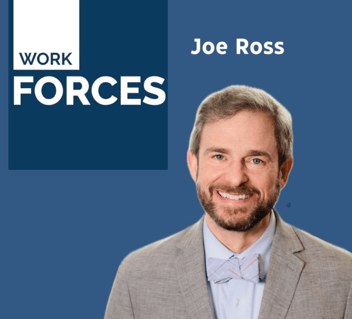
As President Joe E. Ross says, affordability is not separate from access. Creating a pathway to a college degree also means making sure that pathway is financially within reach for those it is designed to support. This is critical for working adults pursuing a degree while continuing to support themselves and their families.
Can the workplace serve as a college campus?
B is for Based in the Workplace: Candidates can continue learning through the jobs they already do, making the workplace a central part of their college experience. As Ross puts it, “the workplace is the campus and the learning place.”
Candidates learn alongside colleagues, receive mentorship from experienced professionals in the field, and connect what they study in their courses directly to their daily work. This allows candidates to apply ideas from their coursework on the job while bringing workplace experiences and questions into their evening seminars.
Instead of forcing working adults to choose between advancing at work and pursuing an education, the model connects the two.
How does learning at work count toward a college degree?
C is for Credit for Learning at Work: On-the-job learning renders formal academic credit toward a candidate's degree. The work candidates do each day counts as part of their college education.
Workplace learning is paired with academic coursework, including liberal arts courses, giving candidates opportunities to develop skills and knowledge they can use in their current roles and carry throughout the rest of their careers.
For Ross, the “C” has an additional meaning as well: Credential of Value.
The goal is not only to recognize what a candidate is learning today, but to connect that learning with a college credential that can continue to hold value as their career grows and changes.
How do the ABCs work together?
Reach represents the nation’s Gold Standard for the Apprenticeship Degree:
-
Affordable: No student debt. At Reach, no candidate pays more than $75 a month out of pocket. After grants and scholarships, the expected out-of-pocket contribution for full-time undergraduate candidates is $900 per year, or $75 per month, throughout the degree experience – with zero student loan debt.
-
Based in the Workplace: Candidates keep their job, income, and benefits from day one to graduation. The workplace is the university learning place. Employers recruit the candidate. Offering daily skill development, career exposure, and application of coursework.
-
Credit for Work: On-the-job learning earns academic credit, up to half the degree. Render learning at work as rigorous higher education, integrating applied liberal arts, coupling theory with practice.
Together, those principles create an Apprenticeship Degree designed to fit within the busy lives candidates are already living, rather than apart from them. The ABCs also reflect a broader idea: a meaningful college education does not have to be limited to what happens inside a traditional classroom. For working adults, some of that learning happens every day.